
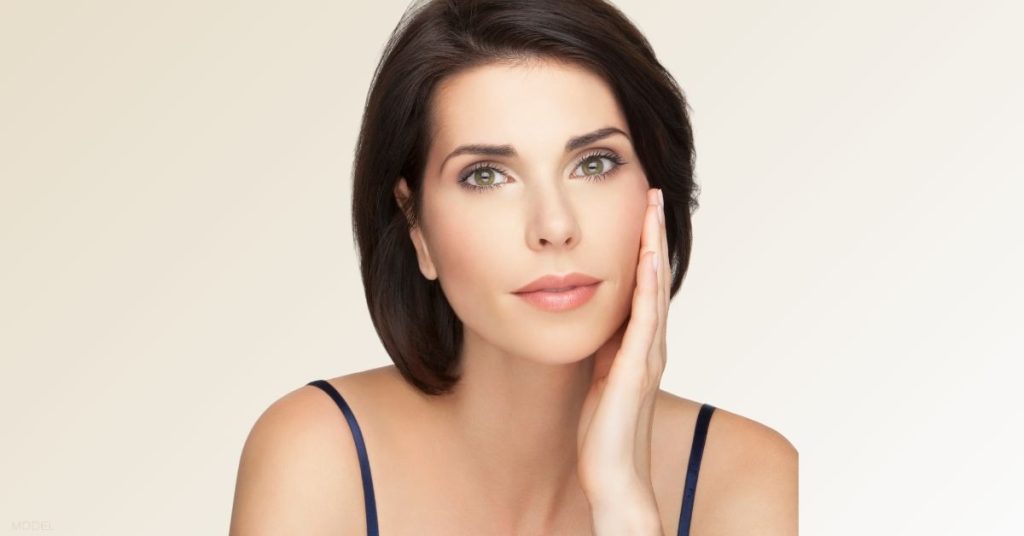
Your eyes are often the first place to show signs of aging. Heavy upper lids, puffiness, and under-eye bags can make you look more tired or older than you feel. Blepharoplasty, or eyelid surgery, is one of the most effective ways to refresh your appearance and restore a more youthful, rested look to the eye area.
At Ablavsky Plastic Surgery in San Antonio, I perform both upper and lower blepharoplasty to correct puffiness, loose skin, under-eye bags, hollowing, and even obstructed vision—all while maintaining a natural, expressive look. Learn more about the advanced techniques I use and your surgical options below.


What Is Upper Blepharoplasty?
Upper blepharoplasty is a primarily cosmetic procedure that focuses on the upper eyelids. As we age, excess skin and fat can accumulate in this area, causing the lids to feel heavy and look droopy. In some cases, this skin can even block part of your vision.
During an upper blepharoplasty, I remove the excess skin and carefully recontour the upper lid to open up the eyes and create a smoother, more rested appearance.
Concerns that upper blepharoplasty can improve:
- Heavy or droopy upper eyelids
- Lateral hooding (extra skin at the outer corners of the eyes)
- Overhanging skin that may block vision
- A chronically tired or sad appearance
- Difficulty applying eye makeup due to excess skin
How the procedure is performed:
- I place the incision within the natural eyelid crease, so it is well hidden once healed.
- I remove just the right amount of skin to avoid an overdone or hollow look.
- The fat is then conservatively contoured rather than aggressively removed to maintain a smooth, natural eyelid.
- When needed, I tighten the underlying muscle for better support.
- If the eyelid margin itself is drooping, I can perform a ptosis repair at the same time to further improve lid position and vision.


What Is Lower Blepharoplasty?
Lower blepharoplasty is a cosmetic procedure to address the lower eyelids and under-eye areas. This is where many people first notice puffiness, bags, or dark shadows that don’t improve with more sleep or better skincare.
Lower eyelid surgery smooths the transition between the lower eyelid and cheek, reducing bags and wrinkles and improving hollowing.
Concerns that lower blepharoplasty can improve:
- Under-eye bags and puffiness
- Looseness or laxity of the lower eyelid
- Crepey or wrinkled skin beneath the eyes
- Tear trough hollowing (a sunken groove under the eyes)
- Dark shadows that make you look tired
Lower Eyelid Techniques
I tailor each lower blepharoplasty to your unique anatomy and goals. Based on my evaluation of your face, I may recommend one or a combination of the following approaches:
1. Transconjunctival Lower Blepharoplasty
- The incision is placed inside the lower eyelid, leaving no external scar.
- Ideal for patients who need fat reduction or fat repositioning but don’t require skin removal.
- Preserves the natural support of the eyelid muscles, which can reduce the risk of lid malposition.
2. Subciliary Lower Blepharoplasty
- The incision is made just beneath the eyelashes.
- Allows removal and tightening of excess skin.
- Helps improve wrinkles, skin laxity, and fine lines under the eyes.
3. Fat Repositioning
Older techniques often removed too much fat, which could leave the eyes looking hollow or gaunt. Modern lower blepharoplasty focuses on redistributing fat rather than simply taking it away.
- Fat pads are gently repositioned over the tear trough to smooth the under-eye contour.
- This approach helps avoid hollowing and can create a softer, more youthful transition between the lower lid and cheek.
- In some cases, fat grafting can be added for even more volume and refinement.
Advanced Add-On Techniques
Eyelid surgery can be combined with other treatments for a more comprehensive rejuvenation:
- CO₂ laser resurfacing to treat fine lines, texture, and mild skin laxity around the eyes
- Canthopexy or canthoplasty to support and stabilize the lower eyelid when needed
- Brow lift to correct lateral hooding and lift a heavy brow that may be contributing to upper-lid fullness
- Fat grafting (fat transfer) to restore volume in hollow or sunken areas around the eyes and upper cheeks
These combination approaches can be customized during your consultation to match your specific concerns and overall facial balance.
Who Is a Good Candidate for Eyelid Surgery?
You may be a good candidate for upper and/or lower blepharoplasty if you have:
- Excess upper eyelid skin
- Puffy under-eye bags
- Hollowing beneath the eyes
- A tired, aged, or “sad” expression despite feeling well-rested
- Good overall health and realistic expectations
During your consultation, I will perform a careful exam of your eyelids, brow position, and overall facial structure to determine whether upper blepharoplasty, lower blepharoplasty, or a combination is right for you.
Eyelid Surgery Recovery: What To Expect
Recovery after eyelid surgery is typically manageable and well-tolerated. Most people return to social activities within a couple of weeks.
Day 1 to 2:
- Mild swelling and bruising are common.
- Cold compresses are recommended to help reduce swelling and keep you comfortable.
Week 1:
- Bruising begins to improve.
- Stitches from the upper eyelids are usually removed around this time.
Week 2:
- Most swelling has resolved, and makeup can often be used to camouflage any residual discoloration (per your surgeon’s instructions).
- Your eyes already appear more open and refreshed.
1 Month:
- The eyelids typically look smooth and natural, with continued subtle improvement over time.
3 to 6 Months:
- Final results become apparent as swelling fully resolves and scars continue to fade and mature.
Is Blepharoplasty Safe?
In the hands of an experienced, board-certified plastic surgeon, blepharoplasty is generally considered safe. However, as with any surgery, it carries some risks, though serious complications are rare.
Potential risks include:
- Dry eyes
- Temporary blurry or fluctuating vision
- Asymmetry between the two sides
- Visible scarring (usually minimal and well concealed)
- Lower eyelid laxity or pulling down (minimized with proper technique and careful patient selection)
I take great care to protect your eye health and eyelid function while achieving natural cosmetic improvement. During your consultation, I will review your medical history, examine your eyes, and discuss all potential risks and benefits with you to ensure that you feel confident, informed, and ready to move forward.
How Long Do Blepharoplasty Results Last?
Eyelid surgery does not stop the aging process, but it can reset the clock in a meaningful way, with results lasting 10 to 15 years or longer, depending on your genetics, lifestyle, and overall skin quality.
Many patients enjoy:
- Brighter, more refreshed eyes
- A smoother lower eyelid contour
- Improved upper field of vision when excess upper lid skin was blocking sight
Good skincare, sun protection, and healthy habits can help you maintain your results for as long as possible.
Why Choose Ablavsky Plastic Surgery for Eyelid Surgery in San Antonio?
Choosing the right surgeon is essential for such a delicate, visible area of the face. At Ablavsky Plastic Surgery, you benefit from:
- A board-certified plastic surgeon with in-depth knowledge of eyelid anatomy
- A meticulous, precision-based approach that prioritizes both form and function
- A natural aesthetic philosophy for the most beautiful yet discreet results
- Seamless integration with med spa laser treatments and other nonsurgical options to enhance and maintain your results
My goal is not only to refresh your eyes but also to preserve your unique expressions. The most important thing to ensure is that you still look like you, just more rested and revitalized.
Ready To Refresh Your Eyes?
If heavy lids, under-eye bags, or dark circles are making you look older or more tired than you feel, upper and lower blepharoplasty may be a lasting solution.
To find out whether eyelid surgery is right for you, request a consultation or call my office at (210) 942-6672 to get started today.
Leave a Reply